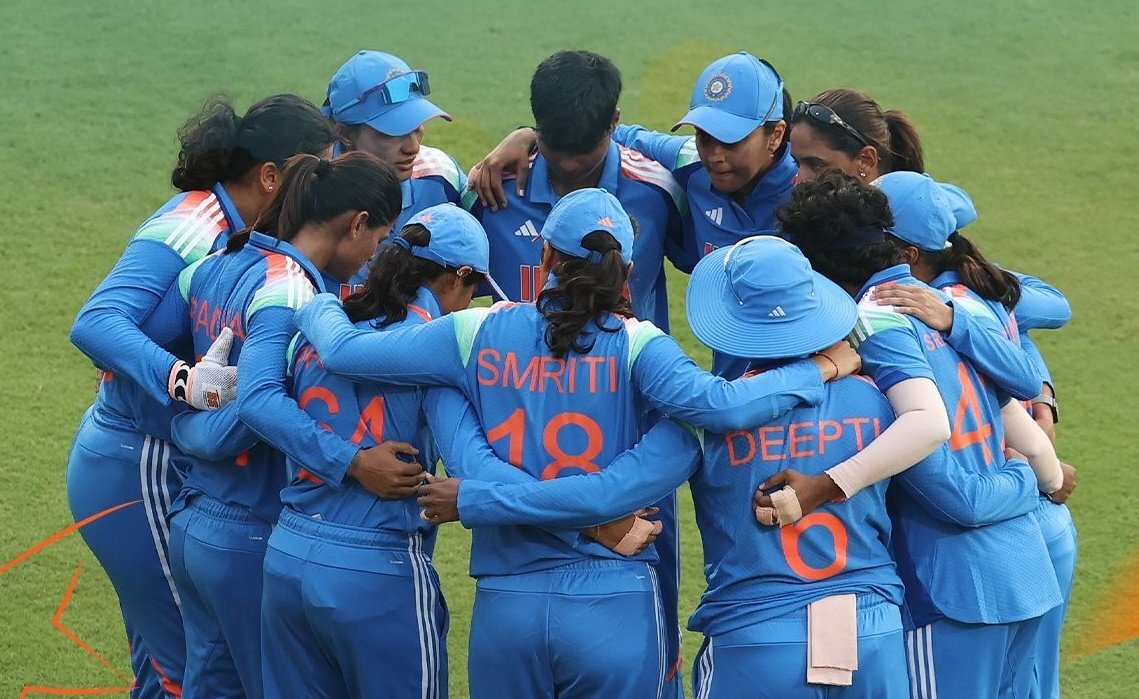
The ongoing battle between England Women vs India Women has become more than just a cricket contest; it represents the evolution of modern women’s cricket. Both sides are known for their fierce sportsmanship and strategic play, shaping the sport’s global identity. From packed stadiums in Mumbai to the electrifying crowds in Birmingham, this rivalry continuously fuels the passion of fans who crave bold performances and unforgettable moments.
Cricket, often seen as a gentleman’s game, has now found equally powerful ambassadors in women cricketers. When England and India lock horns, spectators witness not only talent but also the unfolding of a narrative built on perseverance, teamwork, and national pride. This fixture is no longer an occasional highlight — it’s a showcase of what women’s cricket has become worldwide: fast, competitive, and richly entertaining.
England vs India Women: Historical Overview
The England Women vs India Women rivalry has deep roots. The two nations first met in 1976, back when women’s cricket was still struggling for recognition. Since then, their encounters have evolved in both intensity and significance. England, known for its disciplined training and tactical clarity, often came into series as favorites. Meanwhile, India, led by spirited players who inspired a generation, made remarkable strides through sheer determination and finesse.
Over the decades, both teams have produced cricketing icons. From Charlotte Edwards and Katherine Sciver-Brunt for England to Mithali Raj and Jhulan Goswami for India, the clash has been filled with unforgettable duels. Their 2017 ICC Women’s World Cup Final remains a defining chapter in women’s cricket history — England’s narrow nine-run victory over India captivated millions and brought global attention to the sport.
Since that iconic match, both sides have invested heavily in youth development and performance analysis, raising their standard to new heights. What was once a one-sided rivalry has now become unpredictable, with both teams capable of beating each other in any condition.
England vs India Women: Key Players Driving the Modern Rivalry
The modern face of England Women vs India Women showcases rising stars alongside seasoned veterans. For England, players like Heather Knight, Nat Sciver-Brunt, and Sophie Ecclestone continue to dominate the international circuit with consistent performances. Ecclestone’s spin wizardry has dismantled top orders, while Sciver-Brunt’s all-round abilities keep England in control under pressure.
For India, Smriti Mandhana and Harmanpreet Kaur have emerged as flag bearers of a new era. Mandhana’s graceful stroke play and Kaur’s explosive hitting make India a formidable side, especially in limited-overs cricket. With Richa Ghosh contributing power behind the stumps and Deepti Sharma adding depth with both bat and ball, India’s balanced lineup threatens any opponent.
The contrast in styles defines this rivalry — England relies on precision and planning, while India thrives on flair and adaptability. Yet, both teams share one goal: redefining the perception of women’s cricket through excellence and professionalism.
England vs India Women: Recent Encounters and Tactical Evolution
In their most recent meetings across formats — including ODIs, T20s, and Tests — England Women vs India Women has delivered thrilling contests. India’s tour of England and subsequent home fixtures against the British side highlighted tactical evolution on both ends.
In T20 internationals, England’s aggressive approach during the Powerplay overs often sets the tone. Meanwhile, India’s ability to stabilize innings under pressure gives them a competitive edge in chases. The infusion of young talents such as Shafali Verma has added fearlessness to India’s top order, while England continues to explore flexible batting combinations under coach Jon Lewis’s progressive guidance.
Bowling remains a critical battlefield. India’s spinners, led by Deepti Sharma and Radha Yadav, control the middle overs with variations in flight and speed. On the other hand, England’s pace attack, featuring the experienced Katherine Sciver-Brunt and the emerging Lauren Bell, often tilts the balance during crucial phases. The adaptability of both sides across conditions — from the grassy wickets of Chester-le-Street to the slow turners in Nagpur — shows the evolution of women’s cricket at a strategic level.
Women’s Cricket Beyond Borders
The impact of England Women vs India Women extends far beyond the game itself. The rivalry has played a central role in popularizing women’s cricket across nations. Broadcast coverage, sponsorship expansions, and growing fan engagement are direct outcomes of these high-voltage matches.
Leagues like The Hundred in England and the Women’s Premier League (WPL) in India have further deepened this connection. Players from both nations now share dressing rooms, exchange ideas, and elevate competitive standards through these franchise formats. For instance, Smriti Mandhana’s leadership in the WPL has mirrored Heather Knight’s professionalism in The Hundred. This exchange promotes mutual respect while sharpening the competitive edge when they face off internationally.
The 2025 cricket season promises even higher stakes, with both nations preparing rigorously for the ICC Women’s Championship matches and the next T20 World Cup. As both sides refine their teams, fans eagerly anticipate another round of England vs India encounters that could define the year’s cricketing landscape.
The Growing Fanbase and Media Spotlight
Interest in the England Women vs India Women clashes has soared in recent years. Social media platforms buzz with predictions, commentary, and video highlights even before the first ball is bowled. Female cricketers, once underrepresented in mainstream sports media, now command global admiration. The 2024 series between the two nations witnessed record-breaking streaming numbers, signaling a major shift in audience engagement.
In India, young girls increasingly look up to Mandhana and Kaur as role models. In England, the ECB’s initiatives to promote grassroots participation have seen record enrollments of young female players. Every match between these two teams contributes to expanding the vision of equality and opportunity within sports.
This heightened attention also reinforces the commercial viability of women’s cricket. Sponsorship deals, merchandising, and fan-driven events now create sustainable pathways for players and federations alike. The rivalry thus extends into new dimensions — not just sporting battlefields, but also platforms for cultural inspiration and social progress.
What Lies Ahead
As both teams prepare for their upcoming fixtures, the England Women vs India Women narrative continues to evolve. England aims to maintain its tactical dominance with disciplined execution, while India focuses on refining consistency across formats. The upcoming Test match series promises an intriguing contest between England’s seaming prowess and India’s spin mastery.
With both sides nurturing young talents and enhancing data-driven training, the rivalry’s future shines bright. Every match now carries echoes of history but also the promise of innovation. Whether it’s a nail-biting finish in a T20 or a drawn-out Test thriller, this clash encapsulates everything cricket stands for — respect, rivalry, and relentless pursuit of greatness.
Conclusion
The story of England Women vs India Women is one of passion, progress, and purpose. It unites two cricket-loving nations and inspires a new generation of female athletes across the world. As fans cheer from stands and screens, they’re not merely watching a match — they’re witnessing history being written ball by ball.
From thrilling finales to heartwarming sportsmanship moments, this rivalry continues to raise the bar for women’s cricket. It embodies the sport’s unstoppable rise and the growing recognition of female excellence in athletics. Every time England meets India on the field, cricket wins.
About the Author